Local Carmarthenshire Wildflower Honey
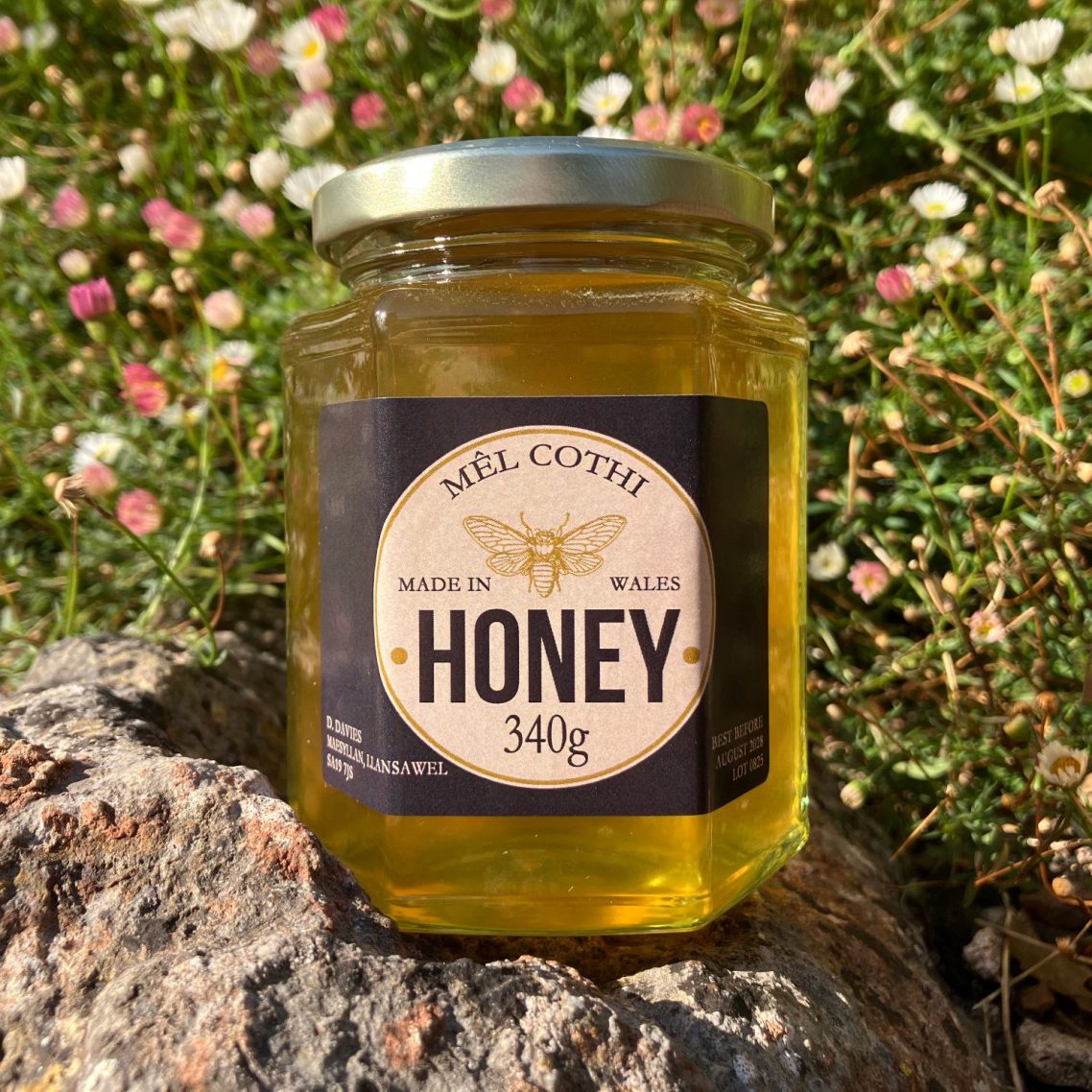
Delicious unpasteurised local Wildflower Honey, made by our team of Buckfast bees
Newbees
Established in 2025, Mêl Cothi Honey extracted our first ever crop of Cothi valley Wildflower Honey in August 2025.
About Buckfasts bees:
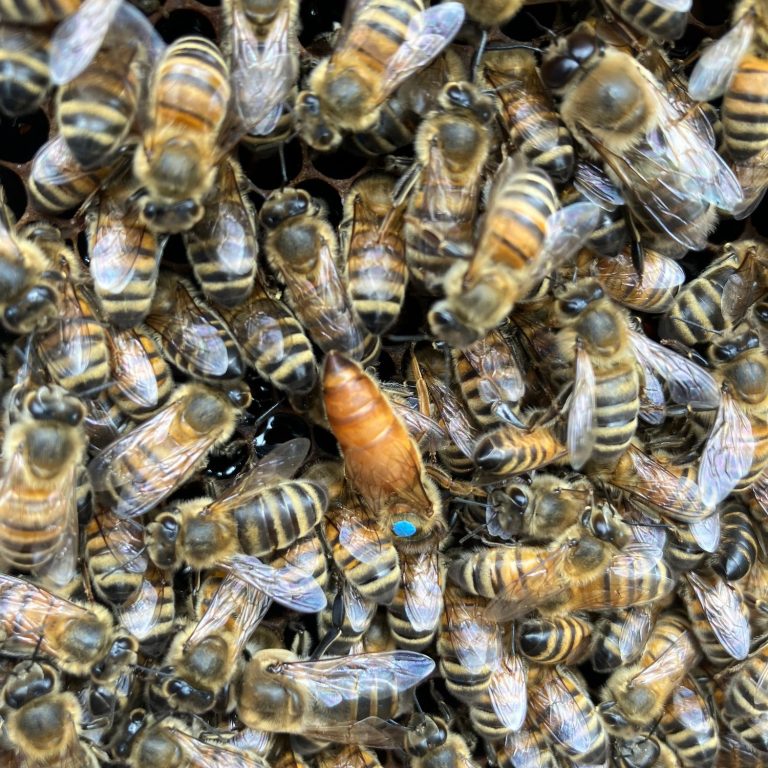
The honey in our jars comes from colonies of the Buckfast bee – a strain with a fascinating history. These bees were first developed in the early 20th century by Brother Adam, a monk at Buckfast Abbey in Devon, England. After much careful cross-breeding with different European and Middle Eastern bees, he produced a bee that was gentle, hardy, and productive.
What Makes Buckfast Bees Special:
Calm Temperament – Buckfast bees are known for being more docile than many other bee strains, which makes them easier to work with.
Great Foragers – They’re highly active and efficient at collecting nectar and pollen, often leading to good honey yields.
Resilient Colonies – The strain was originally bred for resistance to certain honeybee diseases, helping colonies stay healthy.
Winter Survivors – They overwinter well in cooler climates, maintaining strong colonies into spring.
Reduced Swarming – With the right management, they have a lower tendency to swarm compared to some other types of bees.
Unlike a pure race, Buckfast bees are a hybrid strain. Beekeepers have continued to carefully maintain and improve them for over 100 years. Today, they’re valued across Europe and beyond for their gentle nature, resilience, and reliable honey production.
8
Hives Managed
400,000
Buckfast bees . . approximately!
110
Jars of honey produced in 2025
Why Honeybees Matter
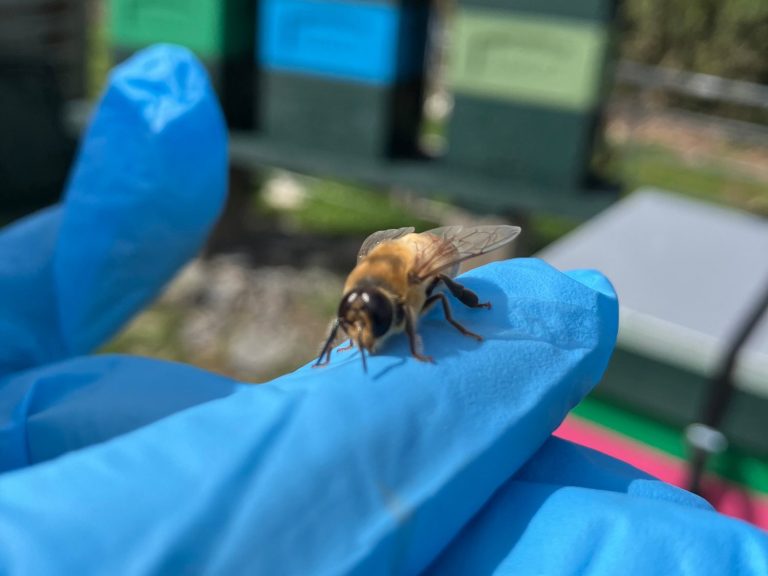
Honeybees do far more than make honey – they’re vital for our food supply. About one in three bites we eat depends on their pollination, from apples and strawberries to almonds and cucumbers. In the UK alone, their work is worth hundreds of millions of pounds to farming each year.
A single bee can visit thousands of flowers in a day, helping pollinate the crops and wild plants we rely on.
Without bees, our diets would be less varied, less colourful, and far more expensive.
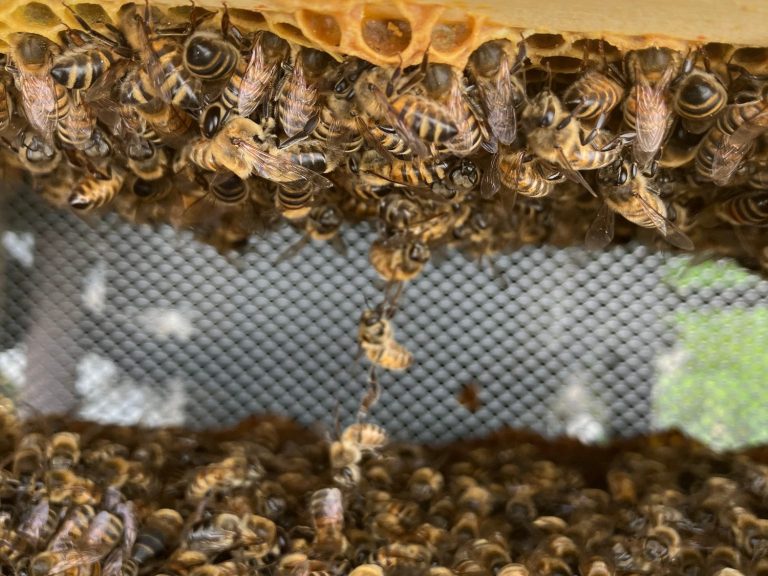
The Challenges Honeybees Face
In the wild, honeybees face many threats that make it difficult for their colonies to survive without support. Habitat loss, pesticides, disease, parasites like the Varroa mite, and the impacts of climate change have all put pressure on bee populations around the world. These challenges mean that wild colonies often struggle to stay healthy and stable.
Farming and caring for honeybees through responsible beekeeping helps give them the best chance to thrive. Managed hives provide bees with protection, regular health checks, and careful stewardship during tough seasons. Beekeepers also help prevent the spread of pests and diseases, support breeding of stronger and gentler strains (such as the Buckfast bee), and ensure pollination continues for the crops we depend on.
By looking after honeybees, we’re not only supporting the survival of these remarkable insects – we’re also protecting our food supply, local biodiversity, and the future of farming.